Digital advertising keeps getting more competitive, but smart systems still create opportunities. One of the most effective models today is RSOC Traffic Arbitrage. If you’re looking for a scalable way to turn traffic into profit, understanding how to maximize revenue using RSOC Traffic Arbitrage can give you a serious edge.
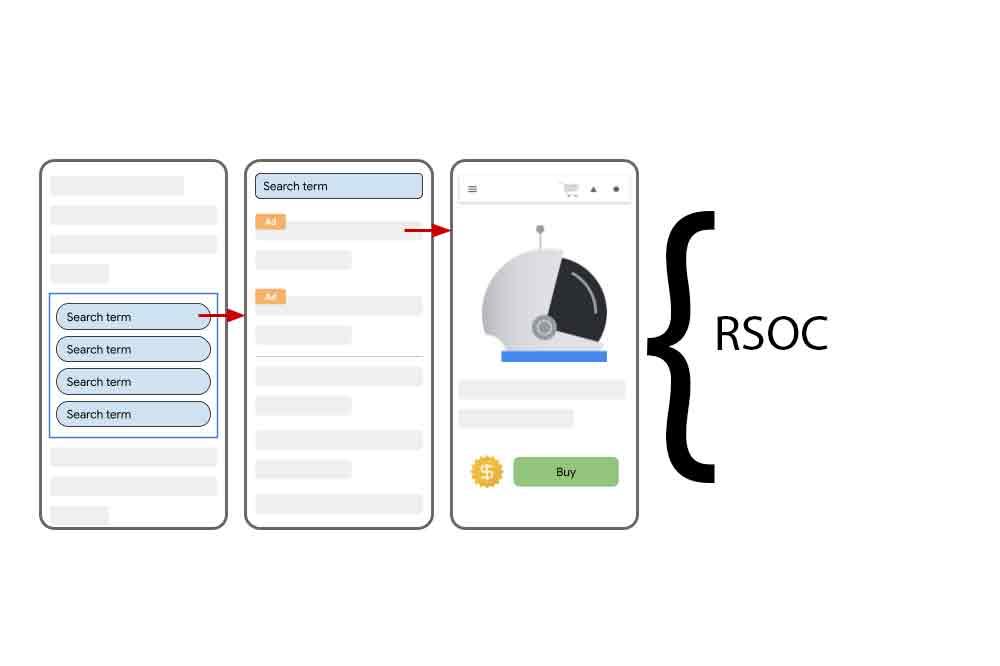
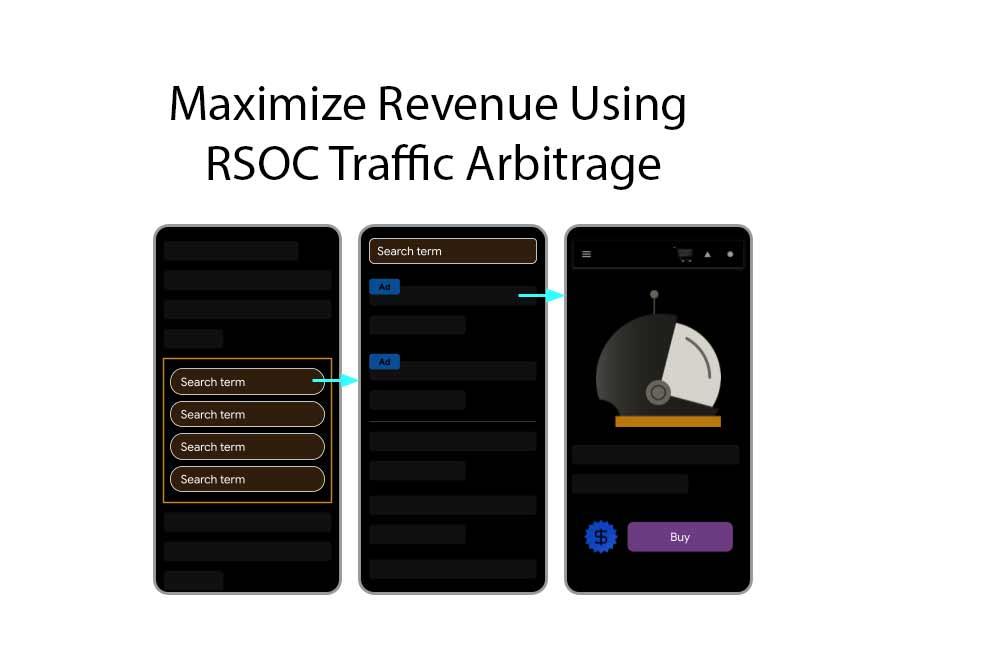
At its core, RSOC Traffic Arbitrage focuses on buying traffic at a lower cost, managing it through a centralized RSOC framework, and monetizing it at a higher value through optimized funnels and offers.
RSOC Traffic Arbitrage is a model where traffic from multiple sources is centrally monitored, optimized, and routed through an RSOC (Remote or Regional Service/Operations Center). This allows marketers to control performance, quality, and monetization in real time.
The profit comes from the difference between:
Cost of traffic acquisition
Revenue generated from monetization
Traditional arbitrage often relies on manual tracking and isolated campaigns. RSOC Traffic Arbitrage centralizes:
Data analysis
Traffic routing
Monetization decisions
This makes scaling faster, smarter, and less risky.
RSOC allows you to manage hundreds of campaigns from one dashboard. Automated rules can pause losing traffic and scale winning sources instantly.
With RSOC Traffic Arbitrage, you can buy traffic from low-cost GEOs and monetize it in higher-paying markets using smart routing and localization.
Common sources include:
Native ads
Push notifications
Pop traffic
Social and programmatic ads
The key is buying traffic below its potential value.
Revenue typically comes from:
Display and native ads
CPA (Cost Per Action) offers
Affiliate programs
Lead generation funnels
A strong RSOC setup includes:
Real-time analytics
Conversion tracking
Traffic quality filters
Automated optimization rules
You start by testing multiple traffic sources with small budgets. The goal is to identify placements that deliver volume at the lowest possible CPC or CPM.
All incoming traffic is processed by RSOC systems. Here, traffic is:
Segmented by GEO, device, and behavior
Scored for quality
Routed to the best-performing offer or funnel
RSOC ensures that high-quality users see high-paying offers, while lower-quality traffic is monetized with safer options like display ads.
These work well for large volumes of mixed-quality traffic. They offer stable earnings and low risk.
High-intent users convert well on CPA offers such as:
Finance
Utilities
Subscriptions
These often generate the highest margins.
Capturing emails allows you to monetize users multiple times through follow-ups and remarketing, increasing lifetime value.
Segment users by:
Country
Device
Time of day
Behavior
This helps match each segment with the most profitable offer.
Test everything:
Landing pages
Headlines
Offers
Ad creatives
Small improvements can lead to big revenue gains.
Advanced RSOC setups use automation to:
Scale profitable traffic
Block fraud
Adjust bids in real time
This reduces human error and speeds up growth.
Low-quality or bot traffic kills profits. RSOC systems help detect:
Abnormal behavior
Fake clicks
Low-engagement users
Always follow ad network and affiliate program rules. Compliance protects your accounts and ensures long-term sustainability.
Scaling too fast without data
Ignoring tracking accuracy
Overlooking traffic quality
Relying on a single traffic source
Skipping compliance checks
Avoiding these mistakes protects your margins.
1. Is RSOC Traffic Arbitrage beginner-friendly?
Yes, but beginners should start small and focus on testing and data.
2. How much capital is needed?
You can start with modest budgets, but scaling requires reinvestment.
3. Is RSOC Traffic Arbitrage risky?
Like all arbitrage, it has risks, but RSOC significantly reduces them.
4. Can this be automated fully?
Most processes can be automated, but human oversight is still important.
5. Which traffic sources work best?
Native, push, and pop traffic are commonly used.
6. Is RSOC Traffic Arbitrage legal?
Yes, as long as you follow platform and advertising policies.
Mastering how to maximize revenue using RSOC Traffic Arbitrage requires patience, testing, and smart optimization. When done right, it offers a scalable and data-driven way to turn traffic into consistent profit. By leveraging centralized control, automation, and diversified monetization, RSOC Traffic Arbitrage can become a powerful long-term revenue model.