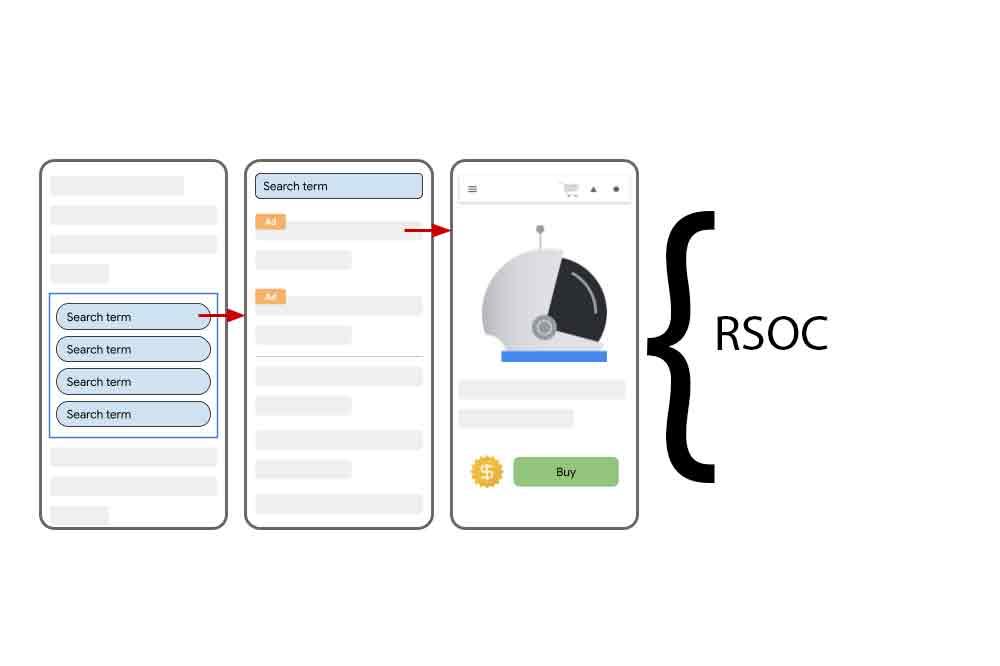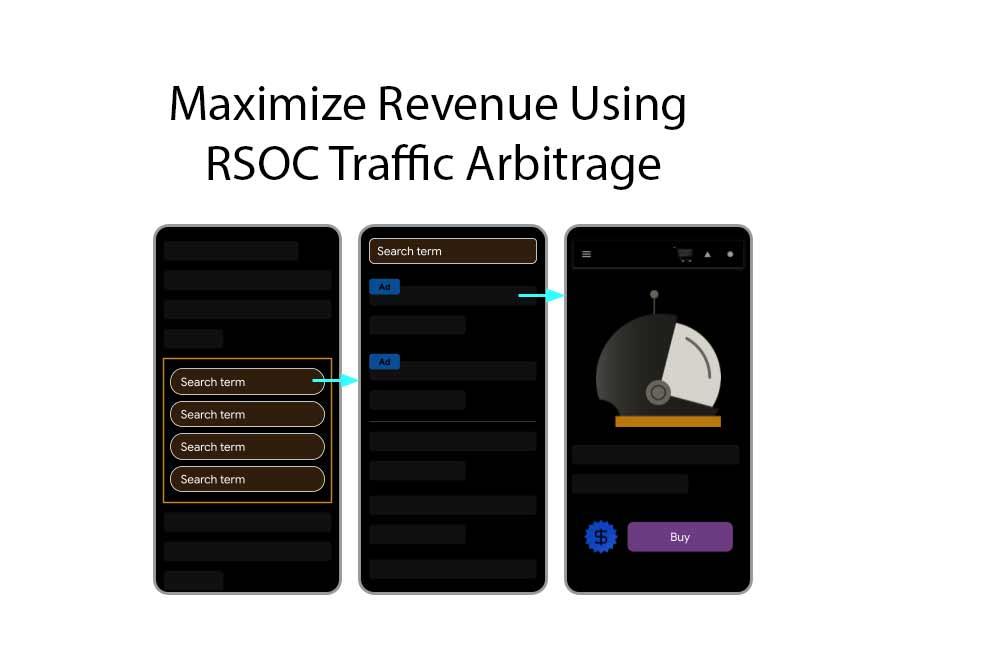
Traffic arbitrage is a digital strategy where marketers buy traffic at a low cost and monetize it at a higher value, keeping the difference as profit. In simple terms, you’re taking visitors from one place and sending them somewhere that earns you more money than you spent.
Marketers love traffic arbitrage because it combines scalable paid traffic + smart monetization, allowing even small beginners to build automated income streams.
Traffic Arbitrage is used by:
Publishers
Affiliate marketers
Dropshippers
Lead generation companies
Blog owners
Agencies
When executed correctly, traffic arbitrage becomes one of the fastest, most predictable ways to scale revenue.
Here’s the simplified workflow:
Buy traffic from a paid source.
Send visitors to a landing page or content page.
Monetize those visitors through ads, affiliate offers, lead forms, or product sales.
Track your numbers and scale the profitable campaigns.
The secret is to ensure your earnings per visitor (EPV) are always higher than your cost per visitor (CPV).
Traffic arbitrage is booming because:
Paid traffic platforms have become cheaper in certain placements.
Monetization networks now pay higher rates for high-intent traffic.
AI tools make it easier to optimize campaigns.
Global traffic sources give access to millions of users instantly.
It’s a business where data beats guesswork, and small adjustments can multiply profits.
You buy cheap traffic and send it to pages monetized with display ads.
Simple setup
Can run multiple sites
Evergreen niches
Strict Google policies
Low RPM in some niches
You promote high-paying CPA, CPS, or CPL offers.
High payouts
Works in any niche
Very scalable
Requires tracking setup
Needs good landing pages
You collect leads cheaply and sell them or monetize via follow-up funnels.
High lifetime value
Can build your own database
Requires nurturing
Needs CRM tools
Driving traffic to online stores with high AOV (average order value).
Highest revenue potential
Worldwide scaling
Product testing required
Shipping & fulfillment challenges
Great for high-intent traffic and content pages.
Excellent for viral content and impulse offers.
Taboola, Outbrain, Revcontent — ideal for news-style articles.
Perfect for e-commerce and short-form hooks.
Cheap testing traffic for CPA offers.
Think: finance, health, home improvement, insurance, beauty, tech.
Your page should include:
Strong headline
Relatable images
Clear monetization placements
Fast loading speed
Use tools such as:
Voluum
RedTrack
Bemob
Google Analytics
Test at least 3–5 creatives.
Run experiments for devices, demographics, and placements.
Remove bad placements, improve page engagement, and boost monetization layout.
Always test small before scaling.
Focus on targeted, real-user sources.
Platforms like Google and Meta can ban accounts instantly.
Use heatmaps and analytics to improve user flow.
Retarget users who didn’t convert.
Tools like Multilogin help reduce bans and manage accounts effectively.
External Source:
https://support.google.com/adsense/
(For policy guidance)
Don’t rely on one ad platform.
Small improvements can double profits.
Yes, as long as you follow the rules of each ad network and monetization platform.
$50–$300 is enough for testing, depending on your niche.
Finance, insurance, tech, survival, beauty, weight loss.
Absolutely — the model is beginner-friendly with the right guidance.
Basic marketing, ad management, and landing page optimization.
Most campaigns show results within 3–7 days of testing.
Traffic arbitrage is one of the most powerful online business models in 2025. By buying low-cost traffic, monetizing it intelligently, and optimizing your campaigns using data, you can build a predictable, scalable income stream. Whether you choose display ads, affiliate offers, lead gen, or e-commerce, the key is simple: test, track, refine, and scale.