Search Arbitrage has become a powerful traffic strategy for publishers and marketers looking to generate quick, scalable profits online. In simple words, it involves buying traffic inexpensively and redirecting that traffic to pages where you earn more revenue than you paid. This method has grown popular due to its low barriers to entry and high potential returns. By understanding the mechanics behind Search Arbitrage, businesses can capitalize on one of the most effective digital marketing models used today.
At its core, Search Arbitrage relies on the principle of profit margins—the difference between what you pay for a visitor versus what you earn from that visitor. This approach works best when you can attract large traffic volumes and monetize them through advertising networks or affiliate programs. As search platforms and ad networks evolve, Search Arbitrage continues to adapt, offering marketers new opportunities to generate predictable revenue streams.
Search Arbitrage refers to the practice of buying traffic from search engines or paid advertisements at a lower cost and redirecting that traffic to monetized pages where you earn more money than you spent. The profit comes from the difference between the cost per click (CPC) and the revenue per click (RPC).
For example, if you buy traffic at $0.10 per click and earn $0.20 from each visitor, you profit $0.10 from each individual click. When done at scale, this can generate substantial revenues.
Search Arbitrage is commonly used by content publishers, coupon websites, comparison sites, and niche bloggers who want to monetize large volumes of traffic without relying solely on organic search.
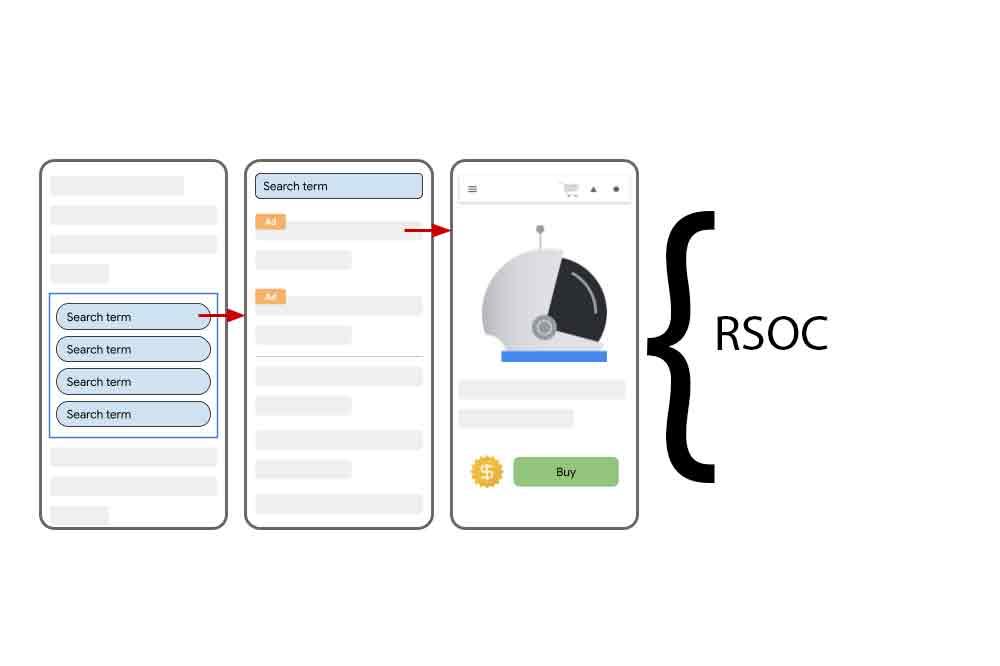
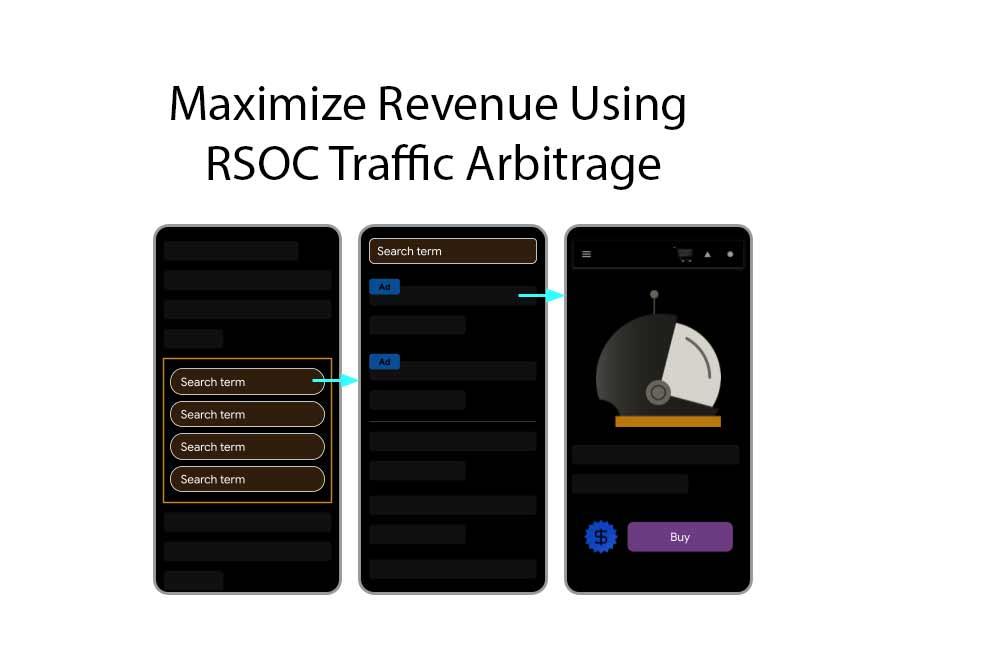
Search Arbitrage follows a simple flow:
Buy traffic from a search engine or native ad network.
Send visitors to a landing page or content article.
Monetize the visitors using display ads, video ads, affiliate links, or high-CTR ad placements.
Earn revenue greater than the amount spent on traffic.
This system has become especially popular with news websites and large media publishers. Many platforms rely heavily on arbitrage to generate predictable daily revenue.
Here’s a typical arbitrage workflow:
| Step | Action |
|---|---|
| 1 | Buy cheap traffic (Google Ads, Bing, Native Ads) |
| 2 | Send users to a monetized web page |
| 3 | Display ads generate revenue |
| 4 | Track profit margins |
| 5 | Scale winning campaigns |
Because of the simplicity of this process, many marketers see Search Arbitrage as an attractive online business model.
Search Arbitrage isn’t a one-size-fits-all system. Several models have emerged over time, each with unique benefits and applications.
This involves directly buying pay-per-click traffic and sending it to ad-heavy landing pages. The key here is selecting profitable keywords where the CPC is low, but advertiser competition is high enough to generate strong revenue through display ads.
This model focuses on creating SEO-friendly articles and boosting them with cheap paid traffic. Websites like BuzzFeed and Upworthy leveraged content arbitrage early in their growth stages.
Platforms like Taboola and Outbrain allow marketers to buy affordable traffic and redirect it to monetized content. This is one of the most common forms of arbitrage today.
Search Arbitrage offers several strong advantages:
You don’t need advanced technical skills or expensive tools. All you need is a monetized website and a traffic source.
Arbitrage allows marketers to scale from 100 clicks to 100,000 clicks quickly—if the margin is right.
By using search engines, native ads, and social media, arbitragers can spread risk and maintain consistent revenue.
While Search Arbitrage can be profitable, it does come with challenges.
Google Ads and Bing have strict policies. Violating quality guidelines can result in account bans.
If your CPC increases or your earnings drop, your profits can shrink rapidly.
Poor landing pages can reduce engagement, leading to low earnings.
The most common traffic sources include:
Google Ads
Bing Ads
Taboola
Outbrain
RevContent
Facebook Ads (limited use)
High CTR is the key to profits. Your pages should be:
Fast-loading
Mobile-friendly
Filled with engaging content
Use tools like:
Google Analytics
Voluum
Binom
BeMob
Avoid overspending on keywords that don’t bring profitable returns.
High-quality headlines and visuals dramatically impact earnings.
Use long-tail keywords with low CPC but high advertiser competition.
Media groups like USA Today and MSN often use arbitrage to boost revenue.
Coupon websites buy traffic for cheap keywords and monetize through affiliate commissions.
SEO is slow but stable. Paid ads can be expensive. Arbitrage blends speed with profit.
Arbitrage is best for short-term profits but can be scaled into long-term revenue.
Yes, Search Arbitrage is legal as long as you follow advertising platform policies.
You can start with as little as $50–$100, but most successful arbitragers invest at least $500.
The main risk is losing money when CPC rises or ad earnings fall.
Yes, but beginners must understand traffic buying and landing page optimization.
Google AdSense, Ezoic, Media.net, and Taboola are popular choices.
Absolutely. As long as traffic costs remain lower than ad earnings, the model works.
Search Arbitrage remains one of the fastest, most scalable ways to generate profit online. With the right strategy, quality content, and a strong understanding of traffic dynamics, anyone can build a sustainable arbitrage business. By mastering traffic buying, optimizing landing pages, and analyzing data, marketers can dramatically increase earnings while minimizing risks.